
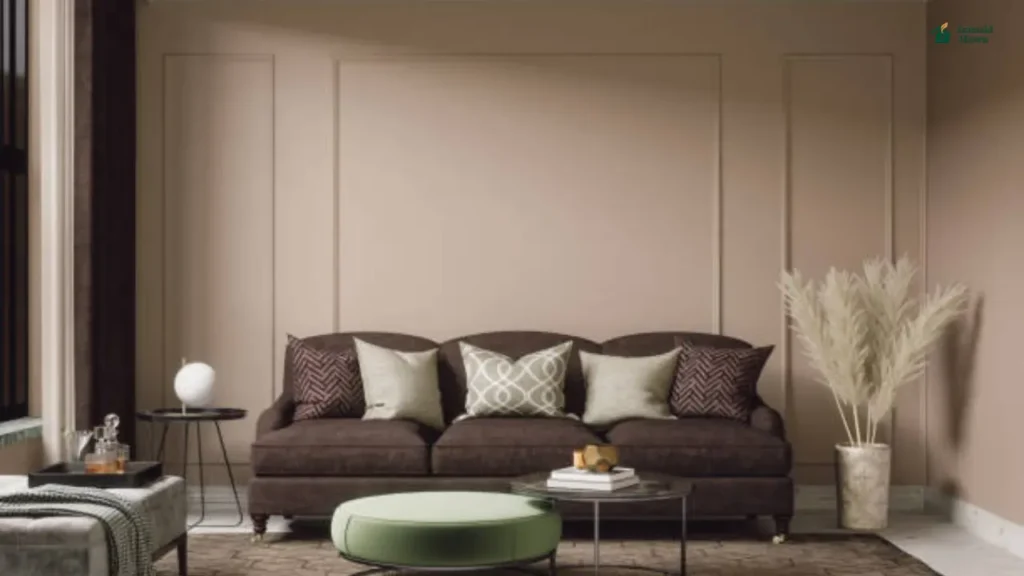

How to Decorate Your Living Room With a Brown Sofa: Where to Start
Let me be honest with you. Brown sofas have a reputation problem.
For years, people assumed a brown sofa meant a boring living room. The kind of room that feels like nothing was really decided on purpose — it just happened. A brown couch here, a beige wall there, and suddenly the whole space feels like a waiting room at a dentist’s office.
But here is the thing. That reputation is completely undeserved.
A brown sofa is actually one of the most versatile anchor pieces you can have in a living room. It is warm, grounding, and works with so many color palettes that most people never even explore.
The problem is not the sofa. The problem is not knowing what to pair it with.
If you have a brown sofa sitting in your living room right now and you are not sure what to do with it, this guide is going to change how you see that piece of furniture. I am going to walk you through color choices, textures, rugs, throw pillows, coffee tables, and wall decor — everything you need to actually decorate a living room with a brown sofa and make it look like someone with taste lives there.
Quick Reference: Complete Decor Cheat Sheet
Before we dive deep, here is a quick overview of what works with a brown sofa. Save this and come back to it.
| Element | Best Choices | What to Avoid |
|---|---|---|
| Wall Color | Sage green, warm white, terracotta, dusty blue | Matching beige, cool gray |
| Area Rug | Jute/sisal, cream, rust, ivory geometric | Same brown as sofa, very busy patterns |
| Throw Pillows | Mustard, terracotta, dusty pink, ivory, sage | Dark brown, navy blue |
| Coffee Table | Walnut wood, mid-century modern, metal legs | Matching brown wood |
| Lighting | 2700K–3000K warm white bulbs | Cool daylight bulbs |
| Curtains | Cream linen, warm white, sage green | Stark white, cool gray |
| Plants | Fiddle leaf fig, monstera, pothos | No plants at all |
Why Brown Sofas Are Actually a Great Starting Point
Before we get into the how, I want to address the why. Why should you lean into your brown sofa instead of replacing it?
Brown is a neutral. And not just any neutral — it is a warm neutral, which means it plays beautifully with earthy tones, deep greens, rich oranges, warm creams, and even soft pinks.
Unlike gray sofas, which can feel cold and clinical if not styled correctly, brown sofas have an inherent warmth that makes a room feel lived-in and comfortable.
There is also the durability factor. Brown furniture hides wear incredibly well. A brown sofa that has been through a few years of real life still looks presentable in a way that a light gray or cream sofa simply does not.
And from a decor standpoint, brown connects to nature. Wood tones, leather, jute rugs, terracotta pottery — all of these things feel completely at home next to a brown sofa.
That gives you a massive range of decor styles to work with, from bohemian and earthy to mid-century modern to warm Scandinavian.
So yes. Your brown sofa is an asset. Let’s treat it like one.
Start With the Right Wall Color
The single biggest mistake people make when decorating a living room with a brown sofa is choosing the wrong wall color. And the most common wrong choice is beige.
Beige walls with a brown sofa create a monochromatic situation that reads as flat and unintentional. Everything blurs together and the room loses definition. You want contrast and visual interest, not camouflage.
Sofa Tone vs Best Wall Color — Quick Match Guide
| Your Sofa Tone | Best Wall Color | Why It Works |
|---|---|---|
| Dark chocolate brown | Warm white, sage green | Creates bright contrast, lifts the room |
| Medium caramel brown | Terracotta, dusty blue | Harmonious warmth or striking complement |
| Light tan or taupe | Sage green, charcoal | Adds depth and definition |
| Leather brown | Cream, warm white, forest green | Natural and rich feel |
| Cool-toned brown | Warm terracotta, mustard yellow | Adds warmth the sofa lacks |
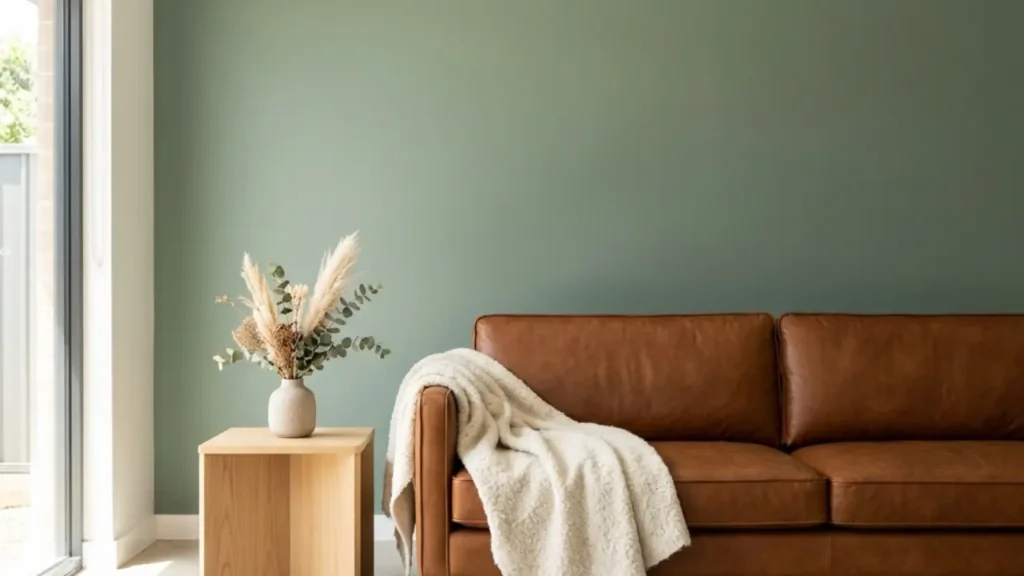
Here are the wall colors that work best in detail.
Warm White or Soft Cream
This is the safest and most universally flattering choice. A warm white like Benjamin Moore White Dove or Sherwin Williams Alabaster creates a clean backdrop that lets the brown sofa stand out without competing with it.
The room feels bright and fresh but still warm. If you are not sure where to start, start here.
Sage Green
This is my personal favorite pairing with a brown sofa. Sage green brings in that connection to nature that brown already hints at, and the two colors together feel incredibly grounded and calm.
Think of it like a forest floor — earthy, textured, layered. A muted sage like Sherwin Williams Retreat or Benjamin Moore Rosemary works beautifully.
Terracotta or Burnt Orange
If you want warmth and drama, a terracotta accent wall behind your sofa is a stunning choice. Brown and terracotta are from the same color family so they feel harmonious, but the deeper intensity of terracotta gives the room energy.
This works especially well in smaller living rooms where you want the space to feel cozy and intentional.
Dusty Blue or Steel Blue
This one surprises people. Blue and brown are actually complementary colors, and a dusty or muted blue on the walls creates a striking contrast with a brown sofa.
It feels collected and sophisticated without being overdone. Avoid bright or electric blues — stick to muted, desaturated shades.
Deep Charcoal or Slate Gray
For a moodier, more modern look, dark walls can make a brown sofa look incredibly rich. The brown tones pop against a dark background in a way they simply cannot against light neutrals.
This works best in rooms with good natural light.
The Role of Throw Pillows: Your Easiest Win
If there is one thing that can immediately transform the look of a brown sofa, it is throw pillows. This is where most of the styling magic actually happens, and it is also where most people go wrong — usually by buying pillows that are too close in color to the sofa itself.
The goal with throw pillows on a brown sofa is to introduce contrast, texture, and a bit of color personality. You want pillows that talk to the sofa, not ones that disappear into it.
Best Pillow Colors for a Brown Sofa
| Color | Effect | Best For |
|---|---|---|
| Cream / Ivory | Soft clean contrast | Any style, always safe |
| Terracotta / Rust | Warm energy | Boho, earthy, rustic looks |
| Mustard Yellow | Brightness without harshness | Mid-century, eclectic |
| Sage Green | Nature-connected calm | Organic, Scandinavian, boho |
| Dusty Pink / Blush | Soft unexpected warmth | Transitional, feminine styles |
| Deep Burgundy | Rich moody depth | Cozy, winter, dramatic looks |
For texture, corduroy, chenille, linen, and knit all add visual depth. You want to mix textures as much as you mix colors — a flat pillow next to a textured one reads as more intentional and layered.
One of the products I keep recommending to people decorating around a brown sofa is the MIULEE Neutral Corduroy Throw Pillow Covers. They come in a pack of four in warm neutral shades that layer really well together, and the corduroy texture adds the kind of depth that makes a sofa look professionally styled.
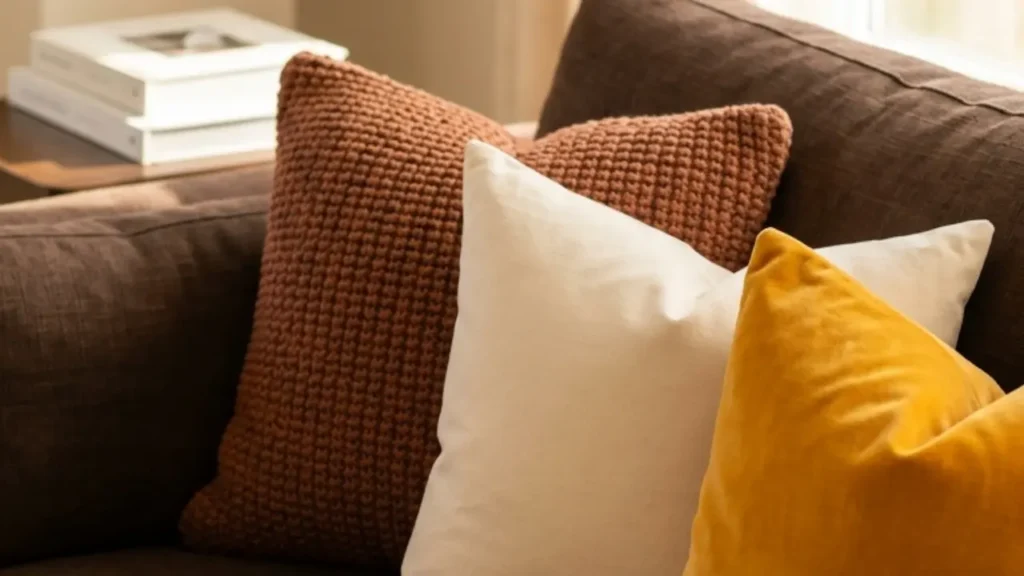
They are rated 4.6 stars with over 1800 reviews and carry an Amazon’s Choice badge — so the quality is consistent. At around $19.99 for a set of four, they are also one of the most affordable ways to refresh a living room instantly.
Pillow arranging tips:
- Aim for an odd number — three or five looks more natural than two or four
- Mix sizes — one larger, one medium, one smaller works well
- Keep at least one solid color pillow that contrasts with the sofa
- Do not match all your pillows — variation is the point
Choosing the Right Area Rug for a Brown Sofa
The area rug is the foundation of your living room arrangement. It anchors the furniture, defines the space, and adds texture underfoot. Getting this wrong can undermine everything else you do, so let’s get it right.
Size First
Before anything else, get the size right. In most living rooms, an 8×10 or 9×12 rug is ideal. The front legs of all your furniture should ideally sit on the rug.
A rug that is too small makes everything look like it is floating in space, which is one of the most common decorating mistakes I see.
Colors and Textures That Work
- Natural tones — cream, ivory, beige — create a clean base without clashing
- Rust and terracotta rugs amplify the warmth of a brown sofa beautifully
- Deep greens work great for an earthy, nature-inspired palette
- Geometric patterns in warm tones add visual interest without overwhelming
- Jute and sisal textures feel organic and cohesive next to brown
What to avoid:
- Rugs too close in color to your exact sofa brown
- Very cool grays or blues unless you are intentionally going for contrast
- Anything too busy that competes with pillows and other elements
A jute or sisal rug under a brown sofa creates an incredibly cohesive, organic look. The natural fiber texture connects to the earthiness of brown and adds a layer of warmth that synthetic rugs rarely achieve.
The CAMILSON Easy Jute Rug is one I genuinely like for this pairing. It is a natural color fiber rug with a sisal boho woven design, and it is easy to clean and washable — which matters if you actually live in your living room.
It has 797 reviews at 4.3 stars and comes in multiple sizes including 9×12. The natural checkered color works with virtually any brown sofa regardless of whether the tone is warm chocolate, cool taupe, or something in between.
Coffee Table: The Centerpiece That Ties It All Together
Your coffee table does a lot of work in a living room. It completes the seating arrangement, gives you a surface for styling and function, and adds another layer of material and texture to the space.
With a brown sofa, you have some flexibility here, but there are directions that work better than others.
Coffee Table Style Guide
| Style | Best For | Brown Sofa Pairing |
|---|---|---|
| Walnut wood, mid-century | Modern, transitional rooms | ✅ Excellent — warm tones complement |
| Glass top + metal legs | Contemporary, smaller spaces | ✅ Good — adds lightness |
| Rustic reclaimed wood | Farmhouse, boho | ✅ Great — organic and layered |
| White or painted wood | Scandinavian, minimal | ✅ Works — creates contrast |
| Dark matching wood | Traditional | ⚠️ Risky — can look too matchy |
| All-glass | Ultra modern | ⚠️ Can feel too cold |
Wood Coffee Tables
A walnut or oak coffee table in a medium to dark finish complements a brown sofa without creating the matching-furniture look that feels outdated. The key is to make sure the wood tone of the table is noticeably different from the sofa — lighter or darker, not the same shade.
Metal and Glass
For a more modern edge, a coffee table with metal legs and a wood or glass top creates nice contrast with the warmth of a brown sofa. The metal adds an industrial or contemporary feel that keeps the room from getting too heavy.
Mid-Century Modern Style
Mid-century coffee tables — low, long, with tapered legs — look fantastic with brown sofas because the style connects to the era when brown furniture was genuinely cool.
The MAISONARIA Mid Century Coffee Table fits this profile really well. It has a walnut finish, a sliding fence door for storage, and clean mid-century lines that pair naturally with a brown sofa.
It is Amazon’s Choice in its category with 4.5 stars and 100+ bought last month. The $139.99 price point is reasonable for the quality, and the sliding storage door is genuinely useful for keeping remotes, books, and other living room odds and ends out of sight.
When styling your coffee table, keep it simple. A tray to group items, one or two books, a small plant or candle, and maybe one decorative object is plenty. Resist the urge to cover every inch.
Wall Decor and Art: Completing the Look
The walls above and around your brown sofa are valuable decorating real estate. This is where you can introduce color, personality, and a sense of curation.
Gallery Walls
A gallery wall above a brown sofa can be stunning if done with intention. Choose a color palette for your frames and artwork that complements the sofa rather than clashing with it.
Warm tones — cream mats, wood frames, artwork with earthy or botanical themes — work beautifully. Black frames with warm-toned artwork also look sharp and modern.
Single Statement Piece
If you prefer a cleaner look, one large piece of art centered above the sofa makes a strong statement. Size matters here — too small and it looks awkward, too large and it overwhelms.
Aim for a piece that is roughly two thirds the width of your sofa.
Mirrors
A large mirror above or beside a brown sofa does two things at once: it reflects light to brighten the room and it adds a decorative element without competing with the sofa.
Mirrors in wood frames, rattan frames, or aged brass finish particularly well next to brown furniture.
Plants as Decor
Do not underestimate how much greenery contributes to a living room styled around a brown sofa. A tall fiddle leaf fig in a corner, a trailing pothos on a shelf, or a collection of small plants on the coffee table all add life and color that makes the brown sofa feel like it belongs in a curated space.
Lighting: The Secret Element Most People Ignore
No amount of good furniture and decor will save a living room with bad lighting. And in a room built around a warm brown sofa, lighting is especially important because it affects how those warm tones read throughout the day.
Lighting Quick Reference
| Light Type | Placement | Purpose |
|---|---|---|
| Overhead (2700K warm) | Ceiling center | General ambient light |
| Floor lamp | Corner opposite sofa | Fills corners, adds warmth |
| Table lamp | Side table next to sofa | Task light, cozy ambiance |
| Accent (candles, string lights) | Coffee table, shelves | Depth and mood |
Layer Your Light Sources
A single overhead light is not enough. You want at least three sources of light in a living room — overhead ambient light, a floor lamp or table lamp for task lighting, and some accent lighting like candles or a smaller decorative lamp.
Warm Bulb Temperature
Use warm white bulbs — around 2700K to 3000K color temperature. Cool white or daylight bulbs will wash out the warm tones of your brown sofa and make the room feel clinical.
Warm bulbs enhance the richness of brown, terracotta, and wood tones in a way that is immediately noticeable.
Lamp Placement
A floor lamp in the corner opposite your sofa creates beautiful ambient light and fills an often awkward empty corner. A table lamp on a side table next to the sofa adds warmth right where people actually sit.
Both together create that layered light effect that makes a room feel designed rather than just furnished.
Styling for Different Room Sizes
A brown sofa in a small living room requires a slightly different approach than one in a large open-plan space.
Small Living Rooms
Keep the color palette light and cohesive. Cream or warm white walls will keep the room feeling open. Choose a rug that is as large as the space allows — do not go too small.
Use mirrors to add depth. Keep furniture minimal and choose pieces with legs, which let you see the floor and make the space feel larger.
A loveseat-sized brown sofa in a small room can actually anchor the space beautifully if everything else is kept clean and intentional.
Large Living Rooms
In a larger space, you can be more adventurous. Go deeper with wall colors — sage green, terracotta, even deep navy. Layer more textures and patterns.
Consider a larger sectional in brown and use an oversized rug to anchor the whole seating area. Add more furniture pieces — a pair of armchairs, an ottoman, a console table — to fill the space purposefully.
For more ideas on making smaller spaces feel bigger and more stylish, check out our guide to decorating small spaces where we go deep on furniture choices and layout strategies that actually work.
How to Style a Brown Sofa by Decor Style
One of the things I love about brown sofas is that they do not belong to a single aesthetic. Here is a quick breakdown of how each major style works with a brown sofa.
Style Comparison Table
| Decor Style | Key Elements | Best Sofa Type |
|---|---|---|
| Boho | Macrame, layered rugs, plants, rattan | Textured fabric, suede |
| Mid-Century Modern | Walnut wood, tapered legs, mustard/olive accents | Clean-lined, structured |
| Warm Scandinavian | Cream, linen, minimal decor, jute rug | Simple silhouette |
| Rustic / Farmhouse | Chunky knit throws, plaid pillows, galvanized metal | Distressed leather |
| Transitional | Mixed materials, patterned rug, drum shade lamps | Any brown sofa |
Bohemian or Boho Style
Brown sofas are practically made for boho interiors. Lean into layers, patterns, and natural materials. Think macrame wall hangings, layered rugs with bold patterns, throw pillows in earthy global-inspired prints, lots of plants, and rattan baskets.
The key is abundance — more texture, more pattern, more plants. Do not be afraid of visual richness in this style.
Mid-Century Modern
This style is probably the most natural fit for a brown sofa, especially if the sofa has clean lines and a tighter profile. Keep the room uncluttered. Choose furniture with intention — a walnut sideboard, a tulip side table, a statement floor lamp in brass or black.
This is a style where less is genuinely more.
Warm Scandinavian (Japandi-Adjacent)
Clean lines, natural materials, functional decor, and a restrained palette. Cream walls, a light natural wood coffee table, simple linen throw pillows in cream and gray, a jute rug, and a couple of well-chosen plants.
The room should feel calm, uncluttered, and intentional.
Rustic or Farmhouse
Brown sofas fit beautifully in rustic interiors. Think exposed wood beams, shiplap walls, chunky knit throws, plaid or buffalo check pillows, and vintage-style lighting.
A distressed leather brown sofa in a farmhouse living room looks like it has stories to tell.
Transitional Style
Transitional design sits between traditional and contemporary — clean but warm, timeless but not stuffy. A brown sofa here might be paired with light gray walls, a patterned area rug in cream and taupe, a glass and metal coffee table, and classic table lamps with drum shades.
Throw Blankets and Layering: The Final Touch
I want to spend a moment on throw blankets because they are one of the most underrated styling tools for a brown sofa.
A throw blanket draped casually over one arm adds warmth, color, and a sense of lived-in comfort that makes the room feel welcoming rather than staged. The key is how you drape it — toss it loosely rather than folding it neatly.
Best throw colors for a brown sofa:
- Cream or ivory — classic, timeless
- Rust or terracotta — warm energy
- Mustard yellow — brightens without clashing
- Sage green — earthy and calm
- Deep burgundy — cozy and moody
You can also use a throw blanket as an opportunity to introduce a color you want to try before committing to it in a pillow or rug. Low risk, high impact.
Accessories and Finishing Details
Great living rooms are built on the big decisions but finished on the small ones. Here are the accessory choices that make a real difference.
Side Tables
Choose side tables in wood tones lighter than the sofa, black metal, or rattan. These all complement a brown sofa without matching it.
Plants and Greenery
A living room with plants feels alive in a way a plant-free room never does. For a brown sofa the connection to nature makes greenery especially fitting.
- Large corner plant (fiddle leaf fig, monstera) for height and drama
- Smaller plants on shelves and coffee table for texture at different levels
- Dried pampas grass or eucalyptus in a vase for low-maintenance elegance
Candles and Scent
Pillar candles on the coffee table or mantle add visual warmth even when not lit. Choose candle holders in brass, terracotta, or natural wood for the most cohesive look.
Books and Trays
A curated stack of coffee table books adds color and personality. A tray on the coffee table groups small items — remote, coasters, a small plant — in a way that looks intentional rather than cluttered.
Curtains
In a room with a brown sofa, linen curtains in cream, warm white, or sage green add softness and diffuse light beautifully. Hang curtains as high and as wide as possible to make windows look larger and the room feel more expansive.
For more detailed guidance on finishing touches, take a look at our home decor tips collection where we cover everything from styling shelves to choosing the right hardware.
Complete Color Palette Guide: 4 Ready-to-Use Combinations
Here are four specific palette combinations you can use as a complete starting framework.
| Palette | Walls | Rug | Pillows | Coffee Table | Vibe |
|---|---|---|---|---|---|
| Earthy and Organic | Cream | Jute/sisal | Terracotta, ivory | Natural wood | Grounded, natural |
| Modern Warm Neutral | Warm white | Cream geometric | Mixed neutrals, tan | Mid-century walnut | Clean, contemporary |
| Bold and Earthy | Sage green | Natural fiber | Mustard, cream | Walnut | Personality-forward |
| Cozy and Moody | Charcoal | Layered rugs | Burgundy, forest green | Dark wood | Intimate, dramatic |
Palette One: Earthy and Organic
Brown sofa + cream walls + jute rug + terracotta throw pillows + wood coffee table + greenery. Everything feels like it came from the earth and belongs together. This is the most beginner-friendly palette and the hardest to get wrong.
Palette Two: Modern Warm Neutral
Brown sofa + warm white walls + geometric cream and rust rug + mixed neutral pillows + mid-century wood coffee table + black metal floor lamp. This palette feels contemporary and clean while keeping all the warmth.
Palette Three: Bold and Earthy
Brown sofa + sage green walls + natural fiber rug + mustard and cream pillows + walnut coffee table + botanical art. The most personality-forward palette on this list, and it photographs beautifully.
Palette Four: Cozy and Moody
Brown sofa + deep charcoal accent wall + layered rugs + rich jewel-tone pillows in burgundy and forest green + dark wood coffee table + warm lamp lighting. Perfect for a room where you want to spend winter evenings.
For more inspiration on color combinations, visit our color palettes section where we break down specific color pairings for every room in the house.
Common Mistakes to Avoid
| Mistake | Why It Hurts | What to Do Instead |
|---|---|---|
| Matching everything to the sofa | Room looks flat and dated | Use complementary tones, not identical |
| Rug too small | Everything looks like it is floating | Go 8×10 minimum, front legs on rug |
| No texture variation | Room feels cold and flat | Mix corduroy, linen, jute, knit |
| Wrong bulb temperature | Washes out warm tones | Use 2700K–3000K warm white only |
| Overcrowding the space | Feels chaotic, not curated | Every piece should earn its place |
| Beige walls with brown sofa | Blurs together, no definition | Choose contrast — white, green, terracotta |
Final Thoughts
Decorating a living room with a brown sofa is genuinely one of the more enjoyable decorating challenges because the sofa gives you so much to work with. The warmth, the earthiness, the connection to natural materials — all of it points you toward a direction that feels inherently livable and appealing.
Start with your walls and your rug, because those are the biggest visual elements after the sofa itself.
Then layer in throw pillows for texture and color personality. Add a coffee table that complements without matching. Build up from there with lighting, wall decor, and greenery.
If you want a quick win right now, grab a set of textured throw pillows in warm neutrals and see how much that single change affects how the whole room feels. The MIULEE Corduroy Pillow Covers are a great starting point.
Pair them with a natural jute rug like the CAMILSON and a solid mid-century coffee table like the MAISONARIA and you will have a living room that actually looks like someone put real thought into it.
Because you will have.
For more home decor ideas organized by room and style, explore our living room decor guides and our home decor tips for practical advice you can actually use.
Some links in this article are affiliate links. If you purchase through them, we may earn a small commission at no additional cost to you. We only recommend products we genuinely believe in.


Pingback: What Color Rug Goes With a Grey Couch? 7 rug colors that actually work
Pingback: Want your small living room to look bigger with mirrors?
Pingback: Best Living Room Color Ideas For Rental Apartments